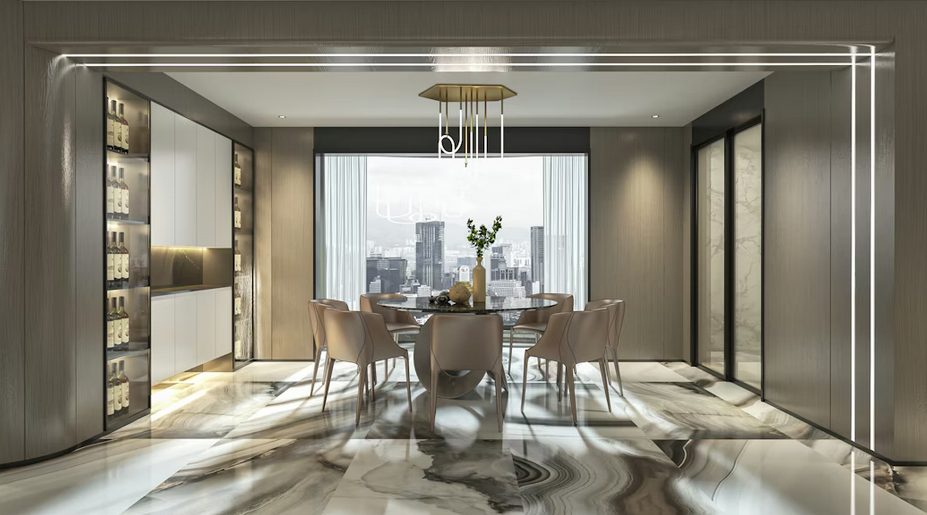
Modern Home Design Trends That Improve Space Efficiency
Space efficiency has become a priority in modern home design as lifestyles shift and living areas adapt to changing needs. Homeowners now expect spaces to feel open, functional, and flexible without increasing square footage. Smart design choices allow rooms to serve multiple purposes while maintaining comfort and visual appeal. Instead of adding more space, modern trends focus on using existing areas better through layout planning, furniture selection, and integrated storage. These approaches help homes feel larger, easier to move through, and better suited to everyday life. Efficient design improves how a home functions while maintaining visual balance and an enjoyable living environment.
Open Layouts That Maximize Flow
Open layouts remain one of the most effective ways to improve space efficiency. By reducing unnecessary walls, homes allow light and movement to flow freely between rooms. Kitchens, dining areas, and living spaces blend, making smaller homes feel more expansive. This layout supports flexible furniture arrangements and adapts easily to different activities. Open designs also reduce wasted space in hallways or boxed-off rooms. When done thoughtfully, open layouts create a sense of continuity while still allowing subtle zoning through lighting, rugs, or furniture placement, keeping spaces practical and visually organized.
Integrated Storage and Built-In Features
Modern homes increasingly rely on built-in storage to keep spaces organized and visually calm—floor-to-ceiling cabinetry, under-stair storage, and recessed shelving use areas that are often overlooked. Built-in features blend seamlessly into the architecture, reducing the need for bulky standalone furniture. This approach keeps belongings accessible while maintaining clean lines. Integrated storage supports efficient use of space by keeping items out of sight but within reach. The result is a home that feels more open, intentional, and easier to maintain over time.
Multi-Functional Furniture Solutions
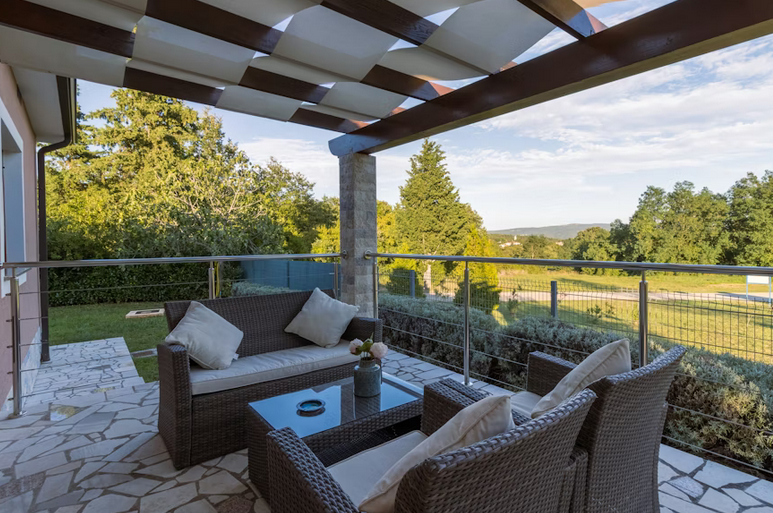
Furniture that serves multiple purposes is a cornerstone of efficient home design. Items like storage ottomans, extendable tables, and sofa beds allow rooms to change function throughout the day. This flexibility is especially valuable in apartments or smaller homes where every square meter matters. Built-in seating with hidden storage or fold-away desks helps reduce clutter without sacrificing usability. These pieces make it easier to maintain clean, open spaces while still meeting daily needs. Smart furniture choices support efficient living without making rooms feel crowded or overly complex.
Flexible Rooms for Changing Needs
Designing rooms with flexibility in mind improves long-term space efficiency. Home offices that double as guest rooms or dining areas that convert into workspaces allow homes to adapt without renovation. Sliding doors, movable partitions, and modular layouts support this adaptability. Flexible spaces respond to lifestyle changes, such as remote work or growing families, without requiring additional rooms. This approach ensures that every area has ongoing value and purpose. By allowing spaces to evolve, modern design reduces wasted square footage and increases overall functionality.
Modern home design trends focus on smarter use of space rather than expansion. Open layouts improve flow, multi-functional furniture increases flexibility, integrated storage reduces clutter, and adaptable rooms support changing lifestyles. Together, these trends help homes feel larger, more organized, and easier to live in. Efficient design enhances comfort while making better use of existing space. By adopting these ideas, homeowners can create interiors that are practical, visually appealing, and well-suited to modern living without sacrificing style or comfort.…